meat

Bento sized mini cabbage rolls

mini-cabbage-rolls1.jpg

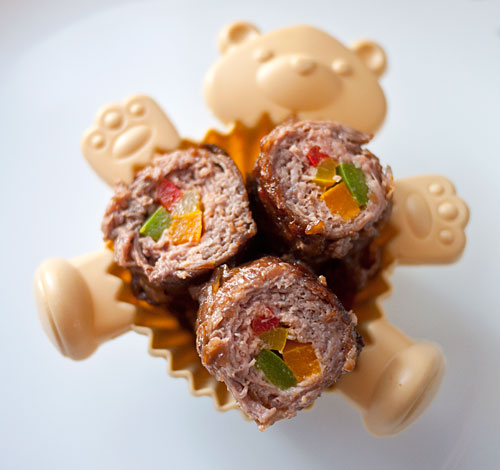
I love cabbage rolls, whether rolled or deconstructed, but regular sized ones are a bit too large and sloppy in my mind to put into all but the largest bento boxes. These are little bento sized cabbage rolls, just a bit bigger than a ping-pong ball. They aren’t too showy to look at, but are deliciously juicy hot or cold. They are kept compact and slim by using napa or Chinese cabbage instead of regular cabbage leaves, since napa cabbage leaves are thinner and more tender, and using the smaller inner leaves that are about 10 inches (25cm) long.

Another feature of these mini cabbage rolls is that I tried making them in a rice cooker, and they came out great. I’ve also given instructions for making them on the stovetop, but if you’re looking for more ways to utilize your rice cooker, you may want to try it out that way. continue reading...

Char siu or yakibuta - Chinese style roast pork

charsiupork1.jpg

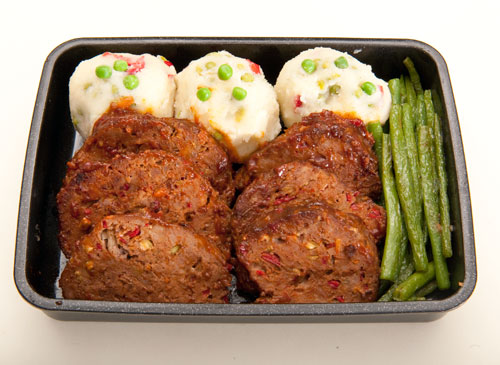
I have posted a recipe for char siu, or Chinese style roast pork, previously. But that was way back in 2004, and my standard go-to recipe has changed a bit since then. Plus, it makes a great staple for bentos, so here it is. continue reading...

Potato Oyaki and Sweet Potato and Carrot Oyaki

bento_69d_pig_500.jpg

Here is a reiteration of the popular Potato Oyaki filled with meat soboro, plus a variation oyaki using sweet potatoes and carrot, filled with ham and cheese - using Thanksgiving feast leftovers or not! continue reading...

Sarah's Take On Mabo Dofu, A Classic Tofu and Meat Dish

This is a guest post from Sarah of Get Cooking, who’s back to share another great frugal recipe with us.

gp-mabo-dofu-closeup.jpg

Aonori seaweed isn’t a common garnish for mabo dofu but some people in my house like it that way.

I know this might be looking a bit too decadent to any lover of authentic Mabo Dofu, but, well, no Japanese dish stays very authentic in my hands for too long. Mabo Dofu, an originally Chinese dish popular in Japan, is meat (beef in this case) and tofu simmered in a red miso-ginger-garlic-chili sauce. Over the years, it has become a staple in my household. Like everything else I make regularly, the recipe changes slightly each time depending on what ingredients and condiments we have around.

The more I make and eat mabo dofu, the more I love it. I used to use sauce packets that you can find in many Asian groceries, but then I realized how much more easy, cheap, and tasty it was to make the sauce myself. While the list of ingredients looks long, it’s a very simple dish to prepare. After you have it once, you may even start adding some of the main ingredients to your fridge and pantry staples. Before this dish entered my life, I had an aversion to tofu. Having tofu in a dish where it is not meant as a substitute for something else changed my perspective on the protein completely. This is my favorite use for tofu.

Even though I did not grow up eating Japanese food, this dish tastes like home to me. The suppleness of the tofu, the chewy meatiness of the beef, the silky, salty, tanginess of the sauce that permeates all the other elements, coupled with the firm stickiness of the rice, and the cool crisp of the pickles I tuck in along side make this an adventure for the taste buds. continue reading...

Japanese Scotch Egg

scotchegg-bento500.jpg

First off, I haven’t actually uploaded a complete bento here in ages, so here is one! It features Japanese Scotch eggs, which you see in the near-most box. (The rest of the bento consists of cucumber slices with sea salt; a carrot and celeriac salad; onigiri with umeboshi filling; banana and mini-cupcakes. The whole bento is about 1100 calories - I intended it to be for 2, but ended up eating the whole thing by myself!)

The original Scotch egg is a British pub snack, made by wrapping a hardboiled egg in sausage meat and deep frying it. The Japanese version uses a ground beef/pork meat mix, and is either deep fried, panfried or baked in the oven. I usually bake them or panfry them, though deep frying is best if you want perfectly round Scotch eggs.

Japanese style Scotch egg is considered to be rather retro in Japan these days. They are typical of yohshoku or youshoku, Japanese-style Western cooking, where foods from the West have been adapted (mostly in the post-WWII period up to the 1970s or so) to suit Japanese tastes and available ingredients. (More about yohshoku.)

I rather hesitated to post this recipe since it doesn’t quite fit the usual criteria for recipes here. It takes some time and effort to make, so it’s not practical for a busy morning. It’s not very low in calories. And, it doesn’t really freeze well, because frozen hard boiled egg turns rubbery and hard, so it’s not even a good make-ahead staple item! Other than that though, it is quite delicious at room temperature, so very well suited for bentos. You can make a few and keep them in the refrigerator for 3-4 days. Or make them for dinner and leave one for next day’s bento! That bright yellow and white egg against the brown of the meat is very cheery. continue reading...