From the archives. This is a terrific vegan condiment of sorts, that can be used as described here on top of vegetables and roasted, or even as an onigiri filling. Originally published in January 2008.
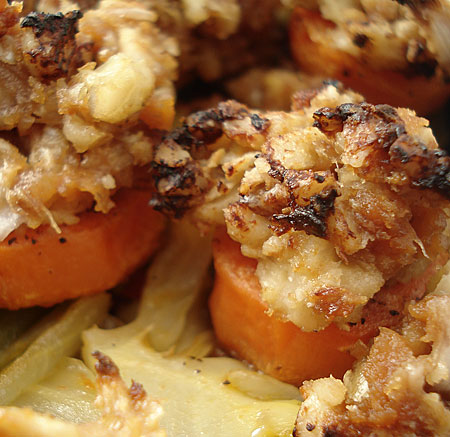
I’m always looking out for interesting vegan sources of protein, and I think this one is really a winner. It’s a rich paste that contains miso, walnuts, and tahini - three great protein-rich foods. But never mind the nutrition aspect - it tastes terrific! Even the confirmed omnivore in our house loves it. It is a wonderful topping for firm, sweet root vegetables like sweet potatoes, squash, turnips and so on. I’ve used it as a topping for carrots here. It looks rather meaty in a bento box, and is quite filling too. continue reading...

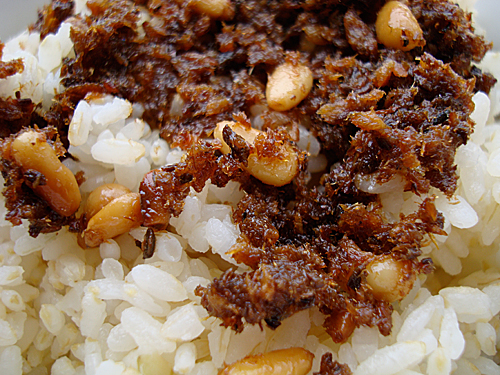
I haven’t added a new furikake recipe in a long time. So, it’s about time I did. As I wrote in the first homemade furikake recipe article, the homemade kind has a lot of advantages over the storebought kind.
One of the advantages is cost, and this furikake uses a cheap yet healthy ingredient that’s available to most people, wherever they may live: Canned sardines! A can of about 4 ounces of sardines (120g) or so costs a couple of dollars or euros or whatever at most. And sardines are packed with good nutrients: Omega-3s, protein, calcium, etc.
I’ve attempted to stay away from Japanese ingredients with this one, since I occasonally get complaints from readers that they can’t get a hold of those ingredients. If you can’t get Worcestershire sauce for some reason, use steak sauce or a similar rich, brown sauce. If pine nuts (though this only uses 2 tablespoons) are beyond your means, use sesame seeds or chopped nuts of another kind.
This furikake is good on pasta as well as rice. continue reading...

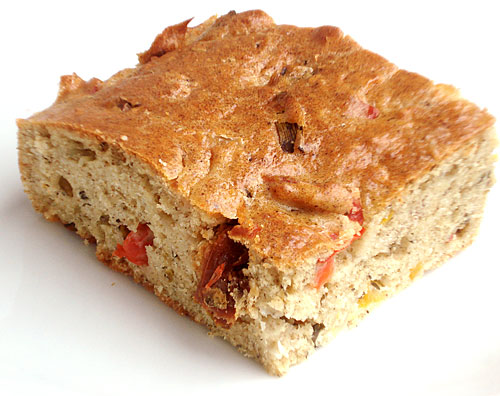
Throughout Provence, especially in the colder months, you often encounter stalls at the markets selling golden loaves of goodness called Cake Provençal. They look just like pound cakes or what we might call in the U.S. ‘quickbreads’, but they are made with savory ingredients. They usually contain cheese, olives, sautéed vegetables, ham, sausage, herbs and so on. They are great at dinnertime,for picnics and of course (since it’s on this site) for not-Japanese bento lunches. Here are some that were on sale at a market in Nyons (in the Drôme Provençal) last December.
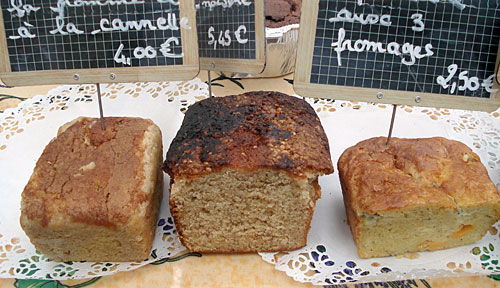
They are made exactly like sweet cakes, but this being the land of olive oil they use that instead of butter. My version here is a bit light on the olive oil (some cakes that I’ve tried are almost dripping with oil). I’ve added a very non-Provencal ingredient, kinako (toasted soy bean flour), to add nuttiness as well as protein. You could use chickpea flour instead of the kinako. A piece or two, or three or four, of this cake makes a great vegetarian bento, on its own or with a salad or raw vegetables packed along. You can also make very interesting sandwiches with it. (Try Boursin cream cheese with watercress.)
I made mine in a square baking or brownie pan instead of the traditional loaf pan, since I like to cut it into little squares, but you could make it in a loaf pan too. It freezes very well, which makes it a great ‘freezer stash’ item. continue reading...

This little side dish or filler is related to the Cooked To Death Peppers, but is a lot faster to make and less oily. It doesn’t keep as long as Cooked To Death, but will be ok for 2-3 days in the refrigerator. It’s a nice bright color and flavor accent in a bento. continue reading...

I think mini muffins are great for bentos. They are tiny, easy and fast to make, freeze beautifully, and defrost naturally by lunchtime if you take them out of the freezer in the morning. They are handy snacks to eat when your energy is running low but you don’t have time to stop and eat properly, and are also great accompaniments to a soup or salad.
Here are two savory muffin recipes that also happen to be vegan. continue reading...

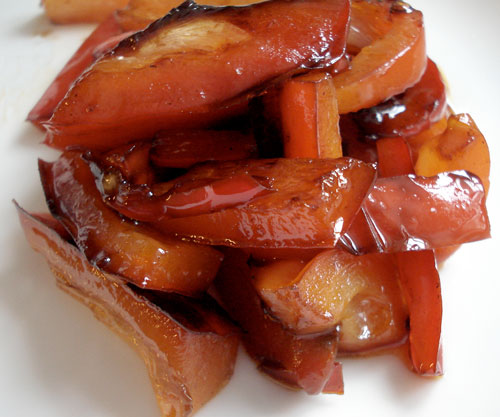
Greenhouse grown peppers are available year round, but summer is when peppers are really in season. I picked up a bushel load of colorful hot and sweet peppers at a market last week, and some of them turned into this item which is great for bento.
It couldn’t be easier to make, but does take a little time. A mixture of mildly hot chili peppers and sweet peppers are briefly stir fried in sesame oil, then simmered for about half an hour or more. The peppers are falling-apart soft, spicy, sweet and salty. It’s great to tuck into the corner of a bento box, and, well drained of the cooking liquid, also makes a great and unusual filling for onigiri (rice balls).
My grandmother used to make this kind of ‘cooked to death’ or until very limp (kuta-kuta ni) vegetable dish quite a bit. It’s a great way to reduce a big pile of vegetables to a manageable eating amount. This method works well with green beans too. I think it’s rather similar to the way some vegetables such as greens are cooked for a long time in American Southern cooking. I’m no nutrionist, but you do eat all of the ‘cooking liquor’ alongside the vegetables, so nutrition loss may not be so bad, though raw-food advocates may shudder.
The key here is the selection of peppers. The spicy chili pepppers should only be mildly spicy. In Japan you would use shishito peppers. Here I used a variety from Italy that I’m not sure of the variety name of, but it is similarly thin-walled and mild enough not to burn my mouth. Jalapeños or anchos might be good choices too. For the sweet peppers, I used the long red peppers that are called banana peppers, Hungarian peppers or paprikas, depending on who is selling them and where. continue reading...

Previously I showed you how to make instant miso soup balls to which you just add boiling water to make a hot cup or bowl of soup. But even I don’t want miso soup all the time. Instant soup mixes are an option, but they are usually rather salty, and don’t contain a lot in terms of nutrients. So I set about experimenting with making my own instant soup concentrate. After some trial and error, here’s a formula for a Mediterranean tasting vegetable soup concentrate that works pretty well. It does take some mostly unattended time to cook down, so it’s a good project to do over the weekend to stock up for upcoming bento lunches. continue reading...

There are three very commonly used Japanese egg recipes. One is tamagoyaki or atsuyaki tamago (and its variant, dashimaki tamago), a rolled omelette. Another is usuyaki tamago, a very thin omelette which is used as a wrapper or shredded and used as a topping. Ther third is iri tamago, finely scrambled eggs that are used quite a lot as a topping. It’s here because it’s such a handy ingredient for bento. If you think you need a bit of color and protein, there’s no faster egg dish you can make. continue reading...

@justbento - strictly site updates
@makiwi - Maki tweets at random
@mainichinihongo - Maki tweets in Japanese